


The Importance of Evidence in 18-Wheeler Accident Cases
When an 18-wheeler is involved in an accident, the aftermath can be devastating. The sheer size and weight of these massive vehicles often lead to catastrophic results. But who is responsible? Determining liability in such cases requires thorough evidence collection. 18-Wheeler Accident Attorney in Houston can make a significant difference in how that evidence is gathered and used.
Each piece of information plays a crucial role in building a case that could affect lives for years to come. From vehicle maintenance records to traffic conditions at the time of the crash, every detail matters. Understanding how these factors intertwine can make all the difference when seeking justice after an accident. Let’s dive into why evidence is vital in navigating 18-wheeler accident cases and ensuring accountability where it belongs.
Establishing Liability
Establishing liability in an 18-wheeler accident is a complex task. It often involves multiple parties, making it essential to pinpoint who is at fault. In many cases, the truck driver may bear responsibility for negligent behavior, such as distracted driving or fatigue. However, trucking companies can also be held accountable if their policies contributed to the incident. An important aspect of this process is examining employment relationships and whether drivers were adhering to company regulations. Were they properly trained? Were they following hours-of-service rules? Witness testimonies can provide critical insights into what transpired during the accident.
Investigating Vehicle Factors
 When it comes to 18-wheeler accidents, the vehicle itself can reveal crucial information. The maintenance history of a truck plays a key role in understanding its performance at the time of an incident. Neglecting regular inspections can lead to catastrophic failures. Tire conditions are critical as well. Worn or improperly inflated tires may compromise traction and handling.
Understanding Traffic Conditions
Traffic conditions play a critical role in 18-wheeler accident cases. They can determine how a vehicle behaves and influence the likelihood of an accident. Heavy traffic often leads to congestion, making it difficult for truck drivers to navigate safely. This environment heightens the risk of sudden stops and unexpected maneuvers. Weather can also impact traffic conditions significantly. Rain or snow reduces visibility and road traction, creating hazards for large trucks that require longer stopping distances. Furthermore, the time-of-day matters.
Pinpointing Regulatory Violations
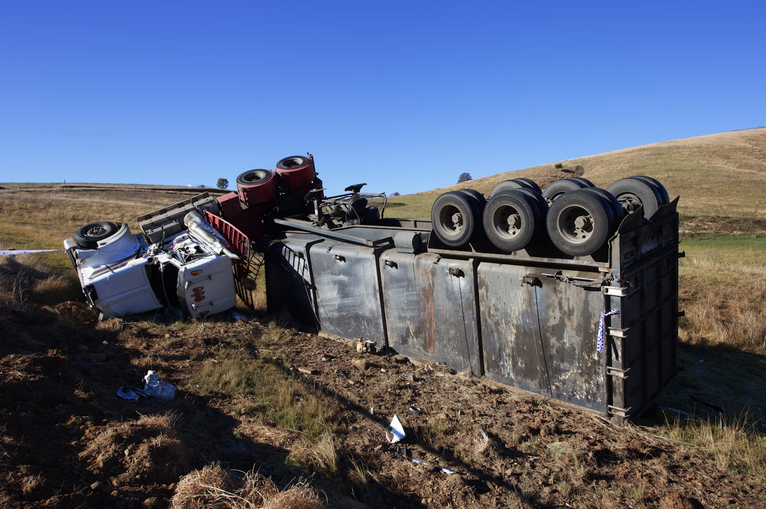
Regulatory violations can significantly impact the outcome of an 18-wheeler accident case. Trucking companies and drivers must adhere to strict federal and state regulations that govern their operations. When these rules are broken, they may face serious repercussions. Common violations include exceeding hours of service limits or failing to conduct proper vehicle inspections. These breaches not only compromise safety but also serve as critical evidence in establishing liability. Investigators often scrutinize maintenance records, driver logs, and training documents during their inquiries. Anomalies in these records can reveal negligence or misconduct.
Evidence plays a crucial role in 18-wheeler accident cases. Establishing liability often hinges on the details gathered from the scene. Did the truck driver follow proper protocols? Was there negligence involved? These questions can only be answered with solid evidence. Understanding all these aspects is key in navigating 18-wheeler accident cases effectively. Properly collected evidence not only supports claims but also helps victims seek justice after devastating incidents on our roads.…

 This can turn your life upside down in a flash. If you’ve sustained significant damage, like fractures or traumatic brain injuries, seeking legal help should be a priority. Medical bills, without realizing it, pile up quickly, and you may face long-term care needs that drain your finances.
 Without insurance, the other driver may not have the funds to cover your damages or medical expenses. This situation leaves you in a tricky position regarding how to proceed. Your own insurance policy could come into play here. If you have uninsured motorist coverage, this may help alleviate some of your worries.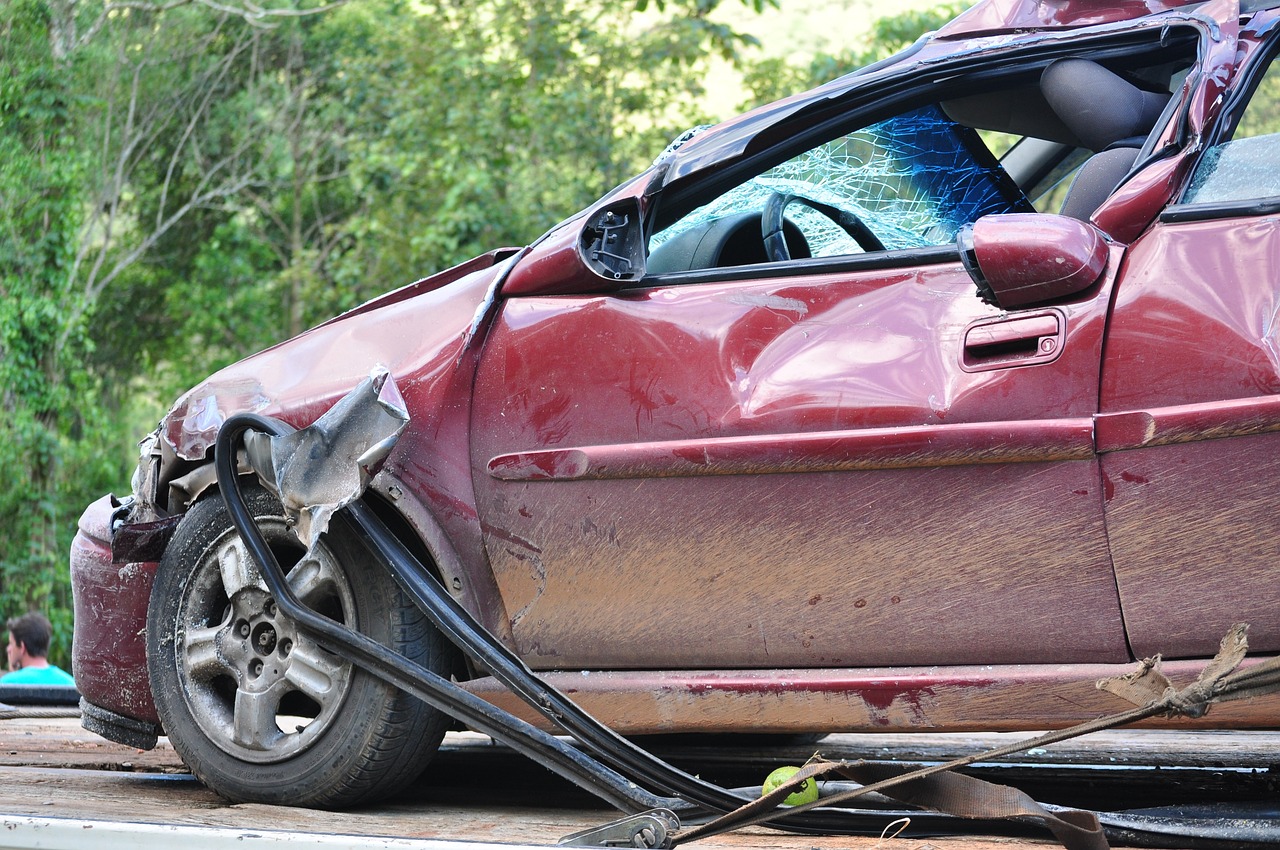
 In states that follow comparative fault rules, insurance companies are typically responsible for determining the percentage of fault assigned to each party. It’s essential to understand that their primary goal is to minimize liability and settle claims for as little money as possible. This means they may try to assign a higher percentage of fault to you, resulting in lower compensation. To ensure a fair assessment of fault and proper compensation, it’s essential to seek legal representation when negotiating with insurance companies. A lawyer experienced in car accident claims can help gather evidence and present arguments that support your case for reduced fault.
 The right lawyer ought to be interested in the case. That is because if your lawyer is not engaged, then he or she might not put enough effort into the case. As a result, the insurance company might not offer you the amount of compensation you need. However, it is not easy to determine whether your lawyer is engaged. An engaged lawyer is likely to answer in-depth questions regarding the accident and what you want to achieve from the case.