

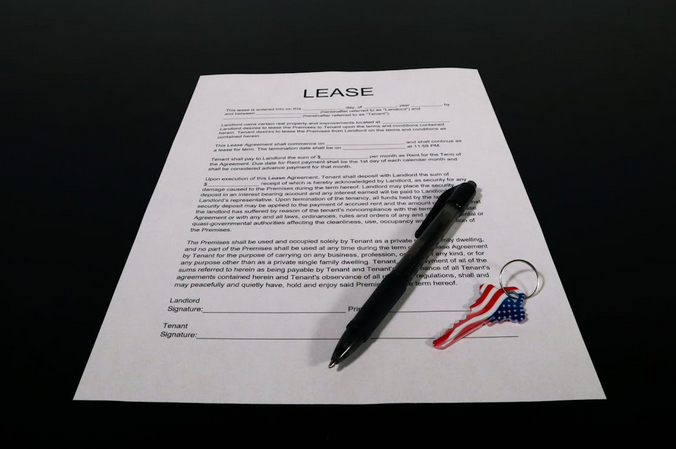
Signing a lease can feel like speed dating with paperwork. The unit looks great, the landlord seems nice, and your brain is already arranging furniture. Then you get a contract that’s ten pages long, in tiny font, with a vibe of “trust me.” Pause. Tenant rights exist to keep renting fair, and knowing them early can save you money, stress, and awkward hallway conversations later.
Security Deposits and Move-in Proof
Security deposits are often the biggest upfront hit besides the first month’s rent. Many places limit how much a landlord can charge and set rules for returns. The lease should spell out what counts as damage versus normal wear and tear. If it’s vague, that’s a yellow flag, like a “check engine” light for renters. Before you move in, document the unit like you’re filming a home tour. Take photos and short videos of floors, walls, appliances, and any existing issues. Save them with dates and keep them in a folder. Do a written move-in checklist and send it in promptly. This paper trail can be your best friend if a deposit dispute pops up.
Repairs, Habitability, and Real Responsibilities
A lease can’t usually waive basic habitability rules. That means working heat where required, safe plumbing, no major leaks, and generally livable conditions. If something is broken, landlords often have a duty to fix it within a reasonable time after notice. “Reasonable” depends on the problem, but no one should be stuck with a flooded kitchen for weeks. Read the maintenance section carefully. Some leases push small repairs onto tenants, like light bulbs or air filters, and that can be normal. But watch for clauses that make you responsible for major systems. If the water heater fails, that’s rarely a “DIY weekend project” for tenants. Put repair requests in writing, even if you also call, so there’s a clear record.
Landlord Entry and Privacy Basics

Most jurisdictions require landlords to give notice before entering, except for emergencies. Notice rules vary, but surprise visits are often not okay. The lease should match the law, not rewrite it. If it says the landlord can enter “at any time,” that’s a problem worth questioning. Ask how entry is handled in real life. Do they text first, email, or use an app? Get clarity on showings, inspections, and maintenance visits. Also, check the rules about locks and security devices. Some leases allow you to add a chain lock; others restrict changes. Privacy is a right, not a luxury add-on.
Fees, Rent Increases, and Breaking the Lease
Fees can hide in plain sight. Look for late fees, “convenience” charges for paying online, pet fees, parking, and utility billing methods. Some fees are lawful, some are excessive, and some are just a cash grab wearing a tie. If you don’t understand a fee, ask before you sign. After you sign, it’s harder to argue. Also, review the rent increase rules if it’s a month-to-month lease or a renewal clause. Fixed-term leases usually lock in rent for that term, but renewals can change. Check what happens if you need to move early. Many leases have an early termination fee or require a replacement tenant. Get the process in writing, because “we’ll figure it out later” is how disputes are born.
Wrapping Up: Read Like a Skeptic, Sign Like a Pro
Tenant rights vary by location, but the patterns are consistent: deposits, repairs, privacy, and fees matter most. Slow down, ask questions, and document everything like it’s your side job. A lease should protect both sides, not just the one holding the keys. If something feels off, trust that feeling and get advice before committing.